

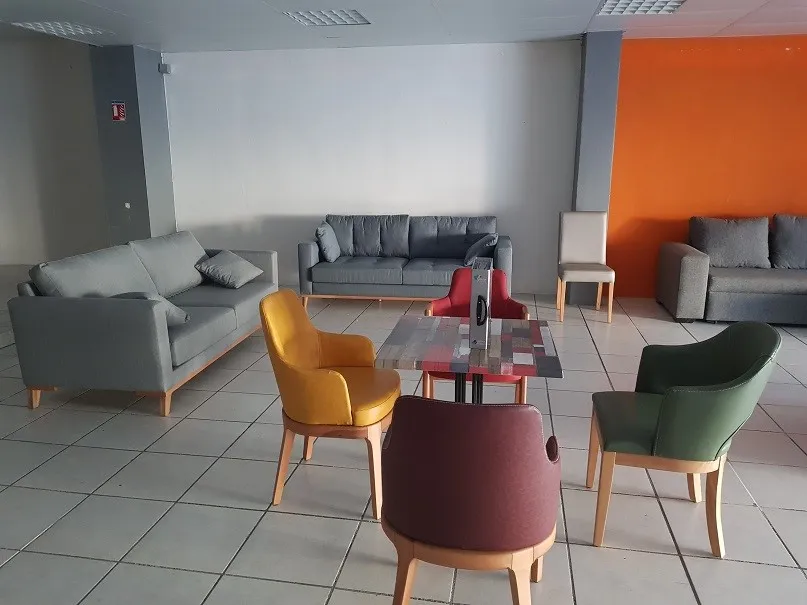
In short: the biggest challenge in opening a new business is bringing many items together in the right order, with the right measurements and on time. They generally fall into four groups: construction and fit-out materials, metalwork (doors, railings, panels), furniture and equipment and staff clothing. Plan backwards from the opening date, order long-lead items early, collect all measurements in one list and compare quotes on the same scope. This guide gives a step-by-step supply plan and checklist for people opening a restaurant, café, shop or office in İzmir.
Why is planned supply needed?
Most opening delays and budget overruns come from a lack of coordination:
- The furniture arrives but the floor and paint are not finished.
- A door measurement is taken wrong and furniture or equipment will not go in.
- Railing anchor points are not prepared during the fit-out, so the floor is drilled afterwards.
- An item with a long production time is ordered late, so the opening slips.
- Different tradespeople work from different measurement lists.
The solution is to bring items, sequence, measurements and dates together in one plan.
Lay the foundation first: concept, budget, schedule
Before you move to the supply list, answer these questions:
- Business type and concept: A restaurant, café, shop, office or workshop? What is the brand identity?
- Floor area and capacity: How many people will sit, how many staff will there be?
- Budget: A breakdown by item and a share set aside for unexpected costs (in common practice a sensible percentage is reserved for this).
- Target opening date: Set a fixed date so you can plan backwards.
- Who decides: The chain of decision between the architect, contractor, suppliers and you.
Supply order: what to buy at which stage
| Stage | What happens | Supply items |
|---|---|---|
| 1. Site and project | Choosing premises, project and permits | Measurements, drawings, permit preparation |
| 2. Fit-out and construction | Walls, floors, installations, finishing | Rebar, brick and masonry, timber and OSB, pipes and fasteners |
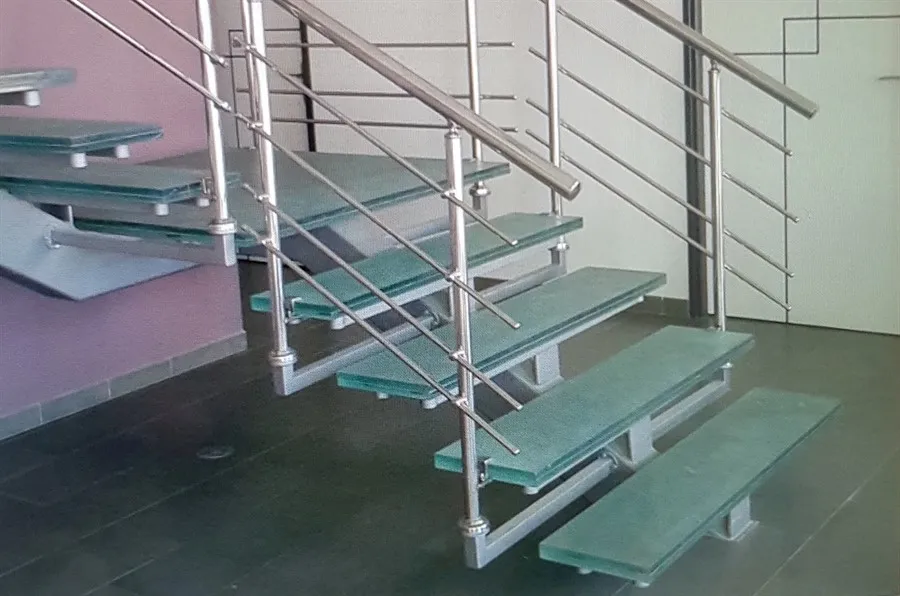
| 3. Metalwork | Entrance and shopfront doors, railings, stairs, decorative panels | Metal doors, railings, laser-cut panels |
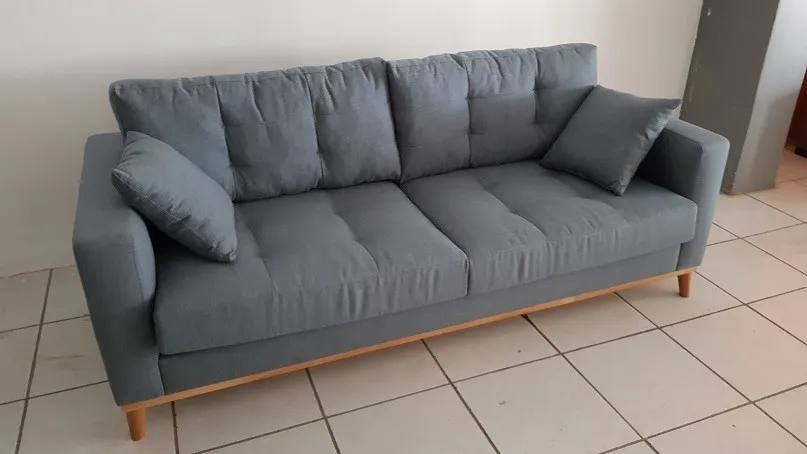
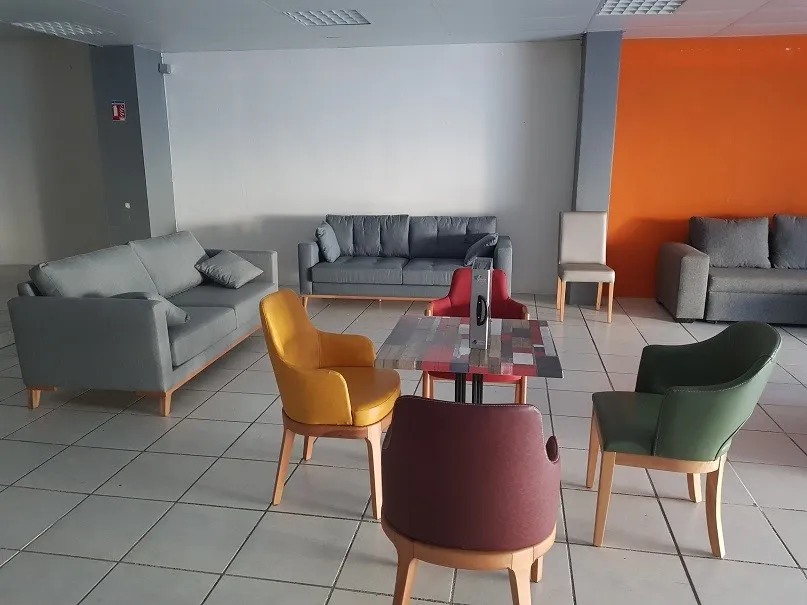
| 4. Furniture and equipment | Seating, tables, shelving, waiting and shared areas | Booths, tables, chairs, armchairs, shop fittings |
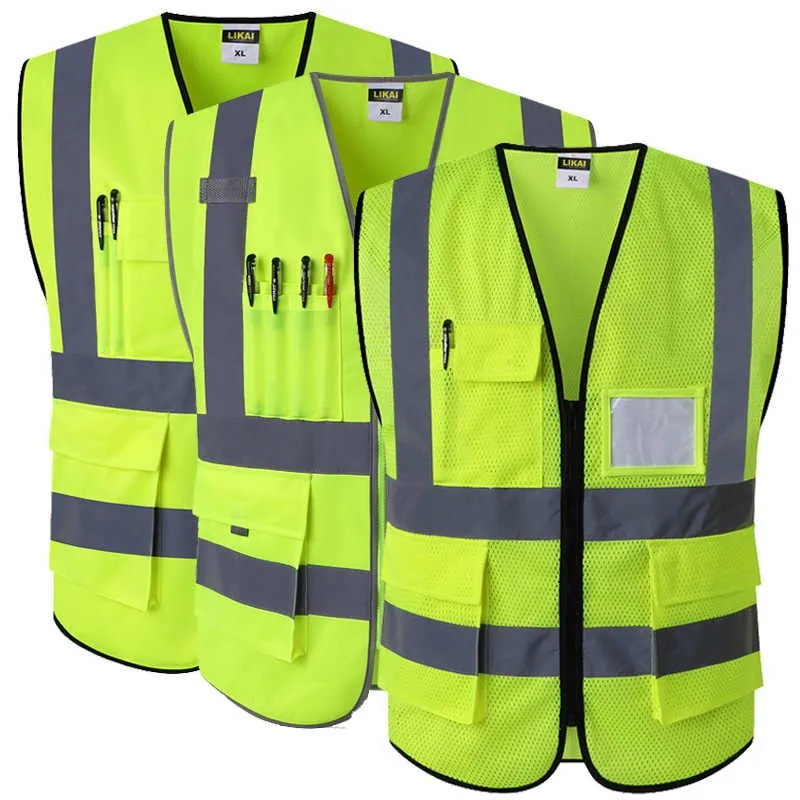
| 5. Staff clothing | Uniforms and safety clothing | Aprons, chef jackets, hi-vis vests, uniforms |
| 6. Final check and opening | Checks for missing items, damage and quality | Touch-ups, extra parts, maintenance plan |
Detailed guides: construction materials supply guide, metal gates and railings guide, railings guide, restaurant and café furniture guide, home and office furniture guide and workwear guide.
Stage 2: fit-out and construction materials
- Quantities and list: Extract the material list from the project; ask for staged delivery so there is no storage problem on site.
- Quality and documents: Check grade, tags and documents on structural materials.
- Preparing for metalwork: Door frames, railing anchor points and floor strength should be thought about during the fit-out; otherwise drilling and repair are needed later.
- Moisture and waterproofing: Take care with İzmir’s humid climate and salty air, especially on façades and wet areas.
Stage 3: metalwork (doors, railings, panels)
Metalwork is usually made to custom size, so production takes longer than ready-made products; it should therefore be planned early.
- Take measurements after the fit-out is finished and the finishes and floor are settled; but allow for production time and bring the date forward.
- Material and paint system: For exterior and shopfront doors choose a rust-resistant solution.
- Security and use: Confirm lock, closing and emergency exit requirements for the entrance door with the architect and the relevant regulations.
- Railings: Base height, gaps and fixing safety on the current regulation and the installer’s calculation.
- Façade harmony: Colour and material of doors, railings and other metal elements should be consistent.
Stage 4: furniture and equipment
- Plan first, product second: Seating capacity, walkways and escape routes should be planned before the furniture.
- Access dimensions: Check that furniture can get in through doors, stairs and lifts.
- Upholstery and durability: In busy restaurants, cafés and waiting areas, prefer wipe-clean, abrasion-resistant upholstery.
- Sample: Ask for a seat and colour sample before a bulk order.
- Delivery time: Furniture should arrive after floor and paint are done; but the order should be placed earlier to allow for production time.
Stage 5: staff clothing
- Size list and logo: Order once staff numbers and sizes are settled; prepare the vector file for the logo.
- Suitability for the job: Kitchen, service and field work need different fabrics and models.
- Hi-vis and protective clothing: Define safety requirements with your health and safety specialist.
- Spares and renewal: Think about extra stock for new staff or the ability to re-order the same model.
Permits and regulation
The permits and documents needed to open a business vary with the type of activity, the premises and the municipality; for example a business opening and operating licence, fire-safety compliance and extra conditions in areas such as food. Accessibility, escape routes and intended use of the premises also matter for the architectural project and the relevant regulations. Confirm current requirements with your municipality, the relevant chamber and your accountant; this guide is not legal or financial advice.
One supplier or many?
| Approach | Advantage | Watch out for |
|---|---|---|
| Single point of contact | Easy coordination and follow-up, consistency, one party responsible | May not give the best price and quality on every item |
| Many suppliers | Competition, best choice item by item | Hard to coordinate schedule and measurements, responsibility is spread |
| Mixed | Comparison on main items, one contact for additional items | The scope must be well defined from the start |
The healthiest route is often a mixed approach: get several quotes on large items, and work with one contact for related items (doors, railings, panels; furniture and uniforms).
Comparing quotes and writing down the scope
Price alone is misleading. Compare these in every quote:
- Scope: Are measuring, material, paint, quantity, accessories, transport and installation included?
- Lead time: The estimated delivery date and responsibility in case of delay.
- Payment plan: Deposit, staged payment, payment on delivery.
- VAT: Included or excluded?
- Warranty and after-sales: Spare parts, touch-ups, maintenance support.
- Change terms: How do cost and time change if a measurement or model changes?
Measurements and technical coordination
- Create one measurement list; the architect, tradespeople and suppliers should work from the same one.
- Record changes in writing and with a date; old drawings should not be used.
- Critical points: Door widths, lift and stair dimensions, anchor positions, sockets and installation positions.
- If possible, get drawing and sample approval before production.
Priorities by type of premises
| Premises | Priority items |
|---|---|
| Restaurant and café | Booths, tables, chairs, entrance and shopfront door, staff aprons and chef jackets |
| Shop | Shopfront and entrance door, clothes racks and display elements, waiting seats, brand uniform |
| Office | Desks, chairs, waiting group, entrance door, ergonomics |
| Workshop and warehouse | Sturdy door, railings and stairs, coveralls and hi-vis clothing |
Pre-opening checklist
- Are the target opening date and the backwards plan ready?
- Is there one measurement list for all items?
- Have long-lead items been ordered?
- Were door, anchor and installation preparations made during the fit-out?
- Were furniture and equipment access dimensions checked?
- Are the security and use requirements of the entrance door and shopfront settled?
- Are staff size list and logo ready?
- Is the permit and licence process being followed up?
- Are warranty, maintenance and touch-up matters in writing?
- Is there time for a final check and touch-up before opening?
Common mistakes
- Not planning backwards from the opening date.
- Ordering custom-size items late.
- Running measurements on different lists.
- Skipping anchor and door preparations during the fit-out.
- Looking only at the first price without comparing scope, lead time and warranty.
- Not leaving a margin for unexpected costs.
Next steps
You can browse Yerpa’s construction materials, metal building elements, restaurant and retail equipment, home and office furniture and textile products categories. For a business in another city or abroad, read our ordering guide.
Share your business type, approximate floor area, your list of needs, the target date and the address through our contact page or on WhatsApp, and we will prepare suitable products and a quote together.
Frequently asked questions
In what order should I source supplies when opening a business?
The general logic is to plan structural work first, fixed elements next and movable equipment last: fit-out and construction materials, metalwork (doors, railings, shopfront), furniture and equipment, staff clothing and a final check before opening. Custom-made items with long production times need to be ordered early.
Does it make sense to buy everything from one supplier?
A single point of contact makes coordination and follow-up easier, but you may not get the best price and quality on every item. The healthiest approach is to get several quotes for the main items, compare them and put the scope in writing.
How long before opening should I place orders?
It varies with product and production method. Custom-size doors, railings and furniture can take longer to make and ship, so plan them early and ask for the estimated delivery date in writing in the quote. Leave a margin for possible delay.
What permits and documents do I need to open a business?
They vary with the type of activity, the premises and your municipality; for example a business opening and operating licence, fire-safety compliance and extra conditions in areas such as food. Confirm current requirements with your municipality, the relevant chamber and your accountant.
Can I order for a business in another city or abroad?
Yes, it can be planned by product and address. Remote measuring, shipping, documents and installation need to be settled in writing from the start; see our guide to ordering for other cities and abroad for details.
What information do I need to get a quote?
The type of business, approximate floor area, your list of needs (doors, railings, furniture, uniforms, etc.), the date you need it and the address. You can reach Yerpa at +90 (232) 253 04 60, on WhatsApp at 0555 025 53 35 or through the contact form.
Tags