

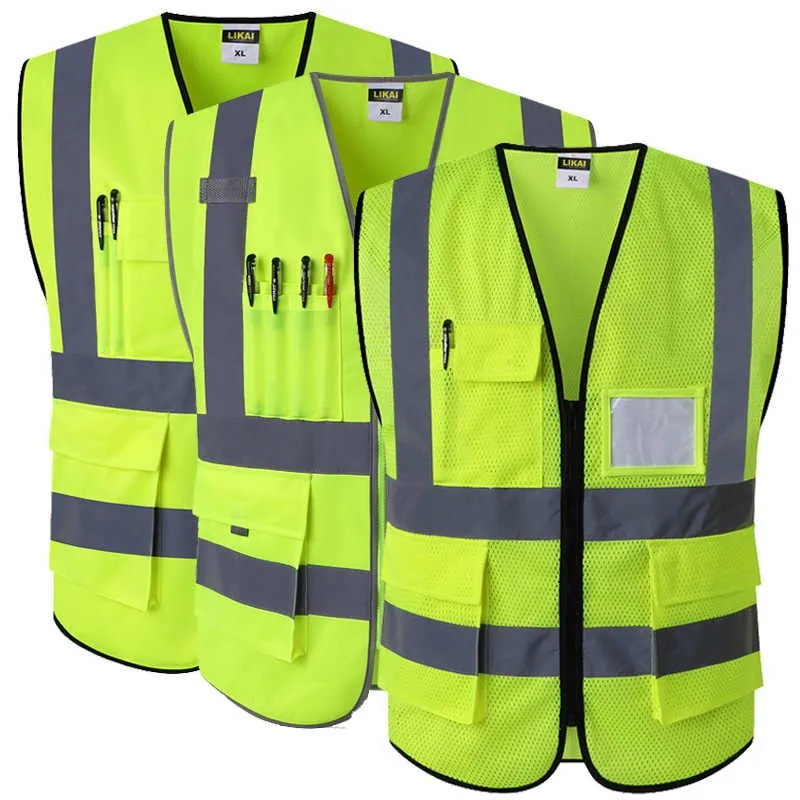
In short: when choosing workwear, first define the type of work and the risk: high visibility on sites and in traffic areas, resistance to heat and stains in the kitchen, a smart and comfortable look in service. Then look at fabric, sizing, logo application and wash durability. Protective products such as hi-vis vests count as personal protective equipment (PPE) and may require compliance with the relevant standard; chef jackets, aprons and uniforms are chosen mainly for comfort and corporate look.
First, the type of work and the risk
| Work area | Key need | Common products |
|---|---|---|
| Construction, roads, logistics | High visibility, durability | Hi-vis vest, jacket, coveralls |
| Restaurant and kitchen | Heat, stain and frequent-wash resistance | Chef jacket, kitchen apron |
| Service, hotel, café | Smart, comfortable corporate look | Waiter apron, uniform shirt and vest |
| Workshop, manufacturing | Toughness, dirt and abrasion resistance | Coveralls, canvas apron |
| Retail and shops | Brand identity and appearance | Apron, vest or T-shirt with logo |
Workwear vs personal protective equipment (PPE)
Not all workwear is PPE. Products designed to protect the worker against a hazard (high-visibility clothing, cut- or heat-protective clothing, and so on) fall under PPE. Under occupational health and safety legislation, the employer must provide the necessary protective equipment based on a risk assessment. So:
- Decide with your health and safety specialist which protection each job needs.
- For PPE products, ask for the CE marking and the certificate of conformity to the relevant standard.
- Ordinary uniforms and aprons are generally not PPE; comfort and appearance come first.
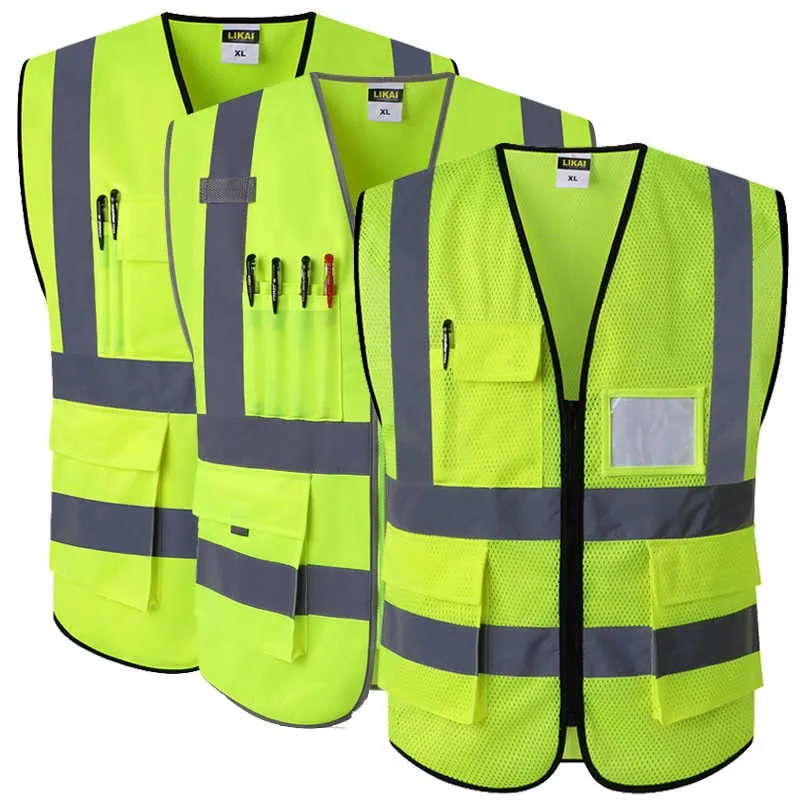
Hi-vis vests and jackets
High-visibility clothing combines a fluorescent background with retroreflective strips to improve visibility by day and night. Standards such as EN ISO 20471 are generally cited for these products, and products are classified (1 to 3) by the amount of material. When choosing, look at:
- Standard and class: the label should carry the standard and class.
- Work environment: in heavy traffic and darkness, a higher class is considered.
- Cut and size: it must not restrict movement; if other clothing goes underneath, choose the size accordingly.
- Wash durability: the performance of reflective strips falls with washing; check the wash limit on the label.
- Season: light and breathable in summer, lined or hooded models in winter.
Coveralls and work clothing
- Coveralls: One-piece protection and easy movement; look at zip, pocket and knee details.
- Two-piece sets (trousers and jacket): Easier to take off in heat, and parts can be replaced separately.
- Fabric and weight: A tighter, heavier fabric suits hard work; a light, breathable fabric suits hot climates.
- Stitching and durability: Seam strength matters at stress points (crotch, knee, elbow, pocket openings).
- Special risks: For welding, chemicals or electrical risks you need a product with the relevant protective properties; consult a specialist.
Chef jackets and kitchen aprons
- Chef jacket: Usually cotton and light in colour; a double row of buttons gives heat and splash protection; being quick to remove is important.
- Apron: For stains and wetness in the kitchen, and for appearance in service; waist, neck and length options exist.
- Fabric: Choose fabric that stands up to frequent washing and does not shrink or fade.
- Comfort: In a hot kitchen, breathable fabric improves working comfort.
Waiter and service uniforms
A uniform is where your brand first meets the customer. For service staff:
- Match with brand colours and a tidy look
- A cut that gives comfort and easy movement
- Fabric that needs no ironing or creases little
- A consistent set of parts such as apron, vest or shirt
Choosing the fabric
| Fabric | Strength | Watch out for |
|---|---|---|
| Cotton | Breathes, comfortable on skin | Creases more easily, can shrink |
| Polyester-cotton blend | Durable, creases little, dries quickly | May breathe less |
| Canvas | Very tough, abrasion-resistant | Heavy, can tire in hot conditions |
| Denim | Durable, characterful look | May bleed colour, can be heavy |
The fabric’s weight (grams per m²) and composition affect durability and comfort. If you plan frequent or industrial washing, ask about colour fastness and shrinkage.
Sizing, fit and measuring
- Women’s and men’s fit: Ask for separate cuts where possible; a single size range can be uncomfortable.
- Size list: Collect staff sizes in advance; do not order by guesswork.
- Sample: Ask for a sample to try size and fit before a bulk order.
- Spares: Plan some spare size stock or the ability to re-order the same model for new staff.
Logo and corporate identity
- Embroidery: Durable, premium, suits frequent washing; may be limited for very fine detail.
- Printing: Practical for detailed and multicolour logos and large areas; durability varies with fabric and method.
- Placement: Chest, back, sleeve; planned by product type.
- Colour and approval: Approve how brand colours match the fabric colour with a sample.
- File: The vector version of your logo (AI, SVG, PDF) is needed for a quality result.
Season and climate: for İzmir
In İzmir’s hot, humid summers, light, breathable fabrics matter for working comfort; thin summer models can be preferred for hi-vis products. For winter and windy weather, consider lined or hooded jackets, raincoats or an inner layer. For people working outdoors, UV and rain protection also matter.
Washing and care
- Follow the label instructions (temperature, bleach, ironing).
- For hi-vis products, watch the wash-cycle limit; there may be cases where a garment should be retired.
- Wash dark and light colours separately.
- Choose workwear suited to industrial washing; durable fabric and stitching matter for frequently washed items.
- Giving at least two sets per employee allows uninterrupted use during washing.
The bulk-order process
- Needs are defined: product type, quantity, colour and size distribution.
- Model and fabric are chosen; a sample is requested.
- Logo application and placement are settled; an approval sample is obtained.
- Quote and order: quantity, unit price, lead time and delivery in writing.
- Production or sourcing, and quality control.
- Delivery, and terms for size exchange/additions.
The quote should list model, fabric, colour, size distribution, logo, quantity, lead time, VAT and transport separately.
Cost items
- Product type and model, fabric and weight
- Quantity (unit price generally falls with bulk orders)
- Logo (embroidery or print, number of colours, area size)
- Size range and special fit
- For products needing PPE certification, certificate and test costs
- Transport and delivery
Common mistakes
- Deciding on a model without choosing by type of work and risk.
- Not checking the standard and class on hi-vis products.
- Ordering without collecting the size list.
- Going to bulk production without a sample and logo approval.
- Not asking about wash durability of the fabric.
- Looking only at the lowest price without comparing fabric and stitching quality.
Next steps
In Yerpa’s textile products category you can browse hi-vis vests and jackets, work coveralls, chef jackets and waiter aprons, and denim and canvas aprons. If you are opening a restaurant or café, you may also read our furniture and seating guide. For a construction site, see our construction materials supply guide.
Share the product type, quantity, size distribution, colour and logo details through our contact page or on WhatsApp, and we will offer suitable options.
Frequently asked questions
Is a hi-vis vest mandatory at every workplace?
It depends on the workplace’s risk assessment and the relevant legislation. High-visibility clothing is widely used where there is vehicle and machinery traffic or poor visibility. For your own workplace, consult your health and safety specialist.
Are workwear and personal protective equipment (PPE) the same thing?
No. Not all workwear is PPE. Products designed to protect against a hazard, such as hi-vis vests, fall under PPE and generally require CE marking and compliance with the relevant standard; a restaurant apron is generally a uniform, not PPE.
Which fabric is best for workwear?
Cotton breathes and is comfortable; polyester-cotton blends are more durable, crease less and dry quickly. The choice depends on the workplace (kitchen, workshop, site), the heat and the washing frequency; ask for the fabric composition and weight.
Should the logo be embroidered or printed?
Embroidery looks durable and premium and suits frequent washing; printing is practical for detailed or multicolour logos and large areas. It depends on the fabric, logo detail and budget; getting a sample approved is recommended.
What should I watch for in a bulk workwear order?
Size distribution, model and colour, logo placement and an approval sample, lead time, and whether the same model can be re-ordered for future staff. Collect the size list in advance and approve it in writing.
What information is needed for a quote?
Product type, quantity, size distribution, colour, logo application and delivery date. You can reach Yerpa at +90 (232) 253 04 60, on WhatsApp at 0555 025 53 35 or through the contact form; suitable options are offered according to quantity and model.
Tags