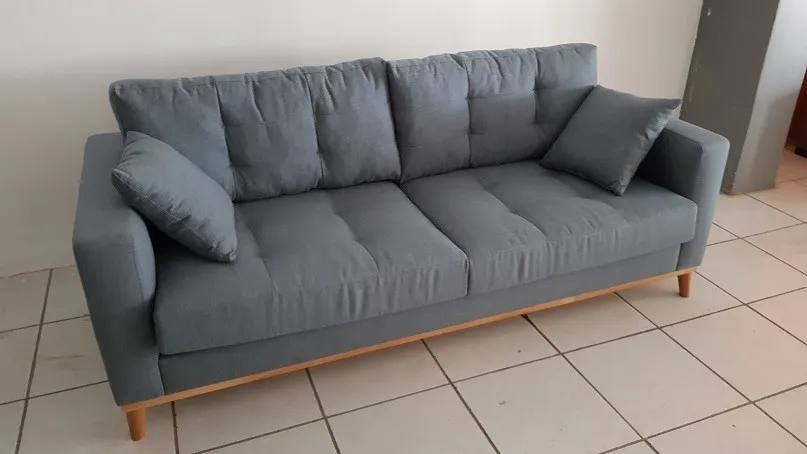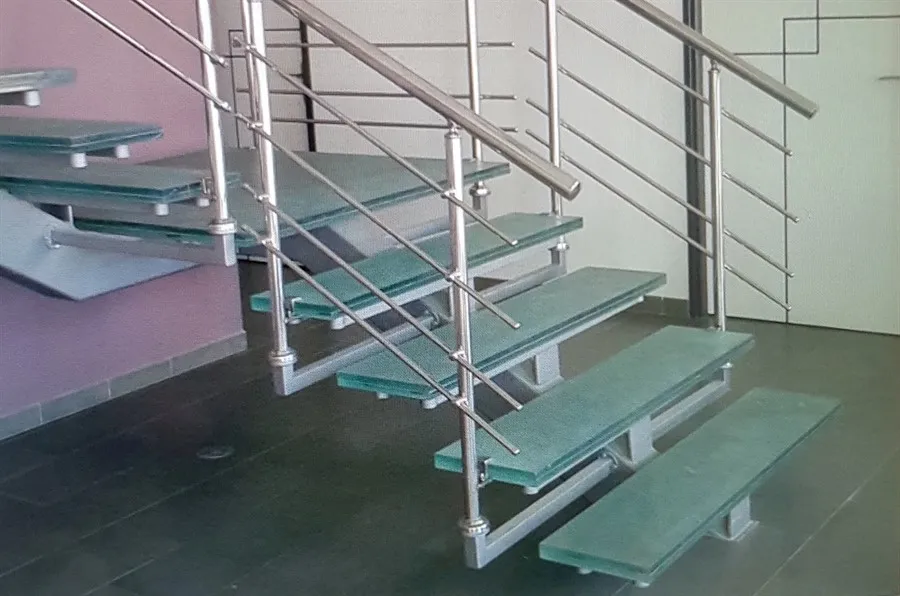


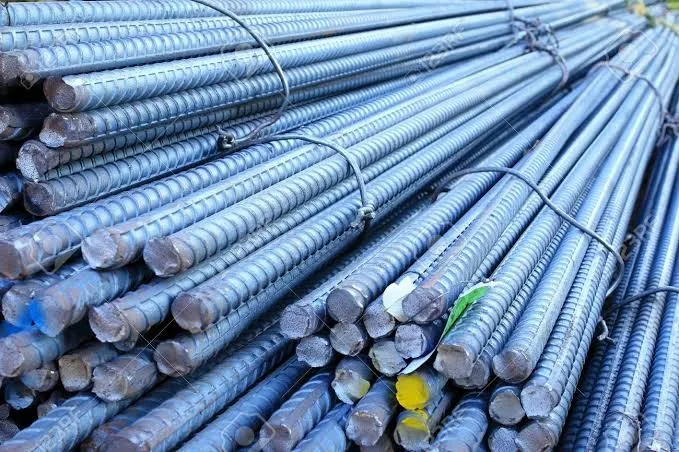
In short: the three things that matter most when choosing construction materials are matching the project’s list, documentation and quality checks, and a sound storage and delivery plan. In a humid coastal city in a high seismic zone like İzmir, certified, standards-compliant products matter most for structural materials (rebar, concrete, brick), while moisture and corrosion resistance matter most in damp conditions (OSB, timber, fasteners). This guide covers selection, inspection and quote comparison for rebar, brick and masonry, timber and OSB boards, pipes and galvanised fasteners.
What influences material choice in İzmir?
- Seismic risk: İzmir lies in a high seismic risk region. Materials used in the structural system must meet the grade and certification required by the project and regulations.
- Humidity and salty air: Near the coast, humidity and salt speed up corrosion; steel, fasteners and timber need extra protection.
- Hot summers: Materials left outdoors on site (timber, pipes, boards) can deform in the sun.
- Seasonal rain: Winter rain affects storage and delivery planning.
Before you start: the list and the quantities
Good supply starts with a good list.
- Extract the material list and quantities from the project (count, length, diameter, thickness, grade).
- Copy the quality grades from the structural and architectural projects exactly.
- Add a sensible allowance for waste and loss.
- Split deliveries into stages; taking everything at once creates storage problems.
- Ask every supplier for a quote on the same list.
Rebar
Ribbed rebar reinforces concrete and is one of the items that decide a building’s structural life.
- Grade and diameter: Use the steel grade and diameter in the project. In Türkiye, TS 708 is generally the reference standard for reinforcing steel.
- Manufacturer tag and batch number: Bundles should carry a tag with batch and manufacturer details that match the certificate.
- Rib pattern: Regular, continuous ribs ensure bonding with the concrete.
- Surface: Light surface rust may be acceptable; heavy flaking rust points to loss of section. Ask the project engineer or site manager.
- Length and bending: Clarify the lengths and bends in the project and who provides cutting and bending.
Brick and masonry materials
Common wall options are clay brick (hollow brick), aerated concrete and concrete blocks. The choice depends on insulation, sound, load-bearing role and budget.
| Material | Strength | Watch out for |
|---|---|---|
| Hollow brick | Balance of insulation and sound, widely used | Hole pattern and grade, mortar and workmanship quality |
| Aerated concrete | Light, good insulation | Protection from moisture, correct adhesive and workmanship |
| Concrete block | Strength and cost | Heavy, insulation may be limited on its own |
The TS EN 771 series of standards is generally the reference for masonry units. Confirm with the architect and structural engineer which material suits the building type, whether the wall is load-bearing, and your insulation expectations.
Timber and OSB boards
Used for formwork, roofs, scaffolding, cladding and partitions.
Timber
- Moisture content: Fresh, wet wood warps and cracks as it dries. Choose seasoned timber suited to its use.
- Grade and strength class: For structural use (beams, roofs), the strength class of the timber matters for the project.
- Protection: In exterior and damp locations, consider treatment against fungus and insects.
- Appearance and quality: Knots, cracks, bowing and dimensional tolerance should be checked before ordering.
OSB board
OSB (oriented strand board) is made by pressing layered, oriented strands. Boards are divided into use classes: those for dry conditions differ from those that can carry load in humid conditions. For roofs, floors and exterior cladding with moisture risk, check the board’s moisture class, do not leave edges exposed and do not leave it out in the rain.
Pipes and galvanised fasteners
Pipes
When choosing pipes, purpose (water, heating, structural, scaffolding), diameter, wall thickness and material (steel, galvanised, plastic) decide. For water and pressure use, prefer certified products that meet the relevant standard.
Galvanised fasteners
Galvanising protects steel with a zinc coating. The coating type changes durability:
| Coating | Characteristic | Where? |
|---|---|---|
| Electro-galvanised | Thin coating, smooth surface | Indoors, dry conditions |
| Hot-dip galvanised | Thick coating, long life | Outdoors, humid or salty conditions |
Standards such as EN ISO 1461 are cited as a quality reference for hot-dip galvanising. Bolt, nut and washer should be in the same coating class; remember there is a corrosion risk where different metals touch. The strength class of bolts (e.g. 8.8) should also be chosen according to the project.
Certificates, standards and labels
When buying materials, ask for and check:
- Conformity certificate / test report (especially for structural materials)
- Manufacturer tag, batch and production information
- CE marking and declaration of performance, for relevant products (generally required for construction products)
- Standard number (TS, TS EN)
An uncertified product or one with a removed label may look cheap but carries long-term risk. Confirm with the architect, structural engineer or site manager which documents are needed for which product.
What to check on delivery
- Compare count, size, diameter and grade with the delivery note and order.
- Match tags and batch information with the certificate.
- Visually check for damage, bowing, rust, cracks and wetness.
- If there is a problem, write it on the delivery receipt and photograph it.
- If needed, ask about the possibility of taking a sample for lab testing.
Storage
- Do not lay rebar directly on the ground; keep it on blocks, covered and away from mud.
- Stack timber and OSB flat in a dry, ventilated, covered place.
- Sort pipes and fasteners by grade and diameter and keep their labels.
- Keep cement and moisture-sensitive materials in a closed, dry area.
- Split deliveries into stages to cut the risk of materials waiting on site for long.
Comparing quotes
Price alone is misleading. When comparing, look at:
- Is the same product, grade and size quoted?
- VAT included or excluded?
- Are transport, unloading and handling in the price?
- Lead time, and is staged delivery possible?
- Payment terms and quote validity
- Documents, labels and return/exchange conditions
Common mistakes
- Not asking for the grade and documents on structural materials.
- Ordering without calculating quantities and waste.
- Not checking tags and sizes on delivery.
- Leaving materials in the open, in damp conditions.
- Looking only at the cheapest quote without comparing transport, VAT and payment terms.
- Using thinly coated fasteners such as electro-galvanised outdoors.
Next steps
In Yerpa’s construction materials category you can browse images of rebar, brick and masonry, timber and OSB boards, pipes and galvanised fasteners. If you are also planning metal building elements such as gates and railings, read our guide to metal gates and railings in İzmir. For a project in another city, see our ordering guide.
Send us the product type, size, grade, quantity or tonnage and delivery address through our contact page or on WhatsApp, and we will prepare suitable options and a quote.
Frequently asked questions
What should I do first when buying construction materials?
Prepare the project’s material list and quantities: how many, what size, what grade. For load-bearing materials such as rebar, the grade and diameter must match the structural design. Giving the same list to every supplier makes quotes easier to compare.
What should I look for in rebar?
Check the manufacturer’s tag and batch information, the stated steel grade and diameter, the rib pattern, the conformity certificate and the rust condition. In Türkiye, TS 708 is generally the reference standard for reinforcing steel; the grade to use is set by the project.
How do I choose between brick, aerated concrete and concrete blocks?
It depends on the building type, insulation and sound expectations, whether the wall is load-bearing, and the budget. Brick and aerated concrete stand out for insulation, concrete blocks for strength and cost. Confirm with the architect and structural engineer which suits the project.
Can OSB board be used anywhere?
No. OSB boards come in grades: those for dry conditions differ from those usable in humid conditions. For roofs, floors or exterior cladding with moisture risk, check the board’s moisture grade and use class.
What is the difference between galvanised and ordinary fasteners?
Galvanising is a zinc coating that protects steel from rust. Galvanised fasteners are preferred outdoors or in damp conditions; the coating thickness and type (hot-dip or electro-galvanised) change durability. For outdoor use in a humid climate like İzmir’s, pay attention to the coating type.
How do I ask for a construction materials quote?
State the product type, size, grade, quantity or tonnage, delivery address and the date you need it. You can reach Yerpa at +90 (232) 253 04 60, on WhatsApp at 0555 025 53 35 or through the contact form with your list.
Tags