

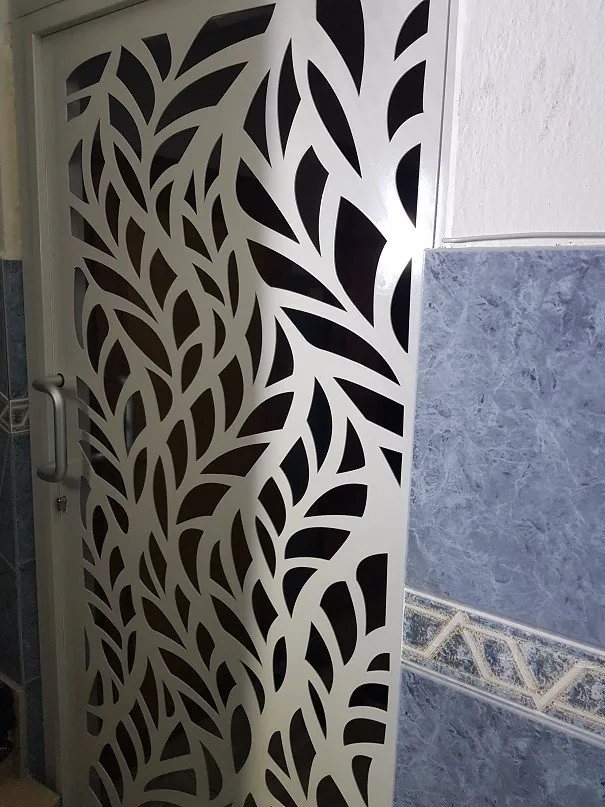
In short: Laser-cut panels carve a pattern into metal sheet so that privacy and light transmission meet on the same surface. They are used for gates, fences and balcony screens. For a good result, plan the open-area ratio of the pattern, the sheet thickness, the material (usually aluminium or steel) and the powder coat together. In İzmir’s humid, salty air, aluminium or galvanised steel with powder coat stand out.
What are laser-cut gates and panels?
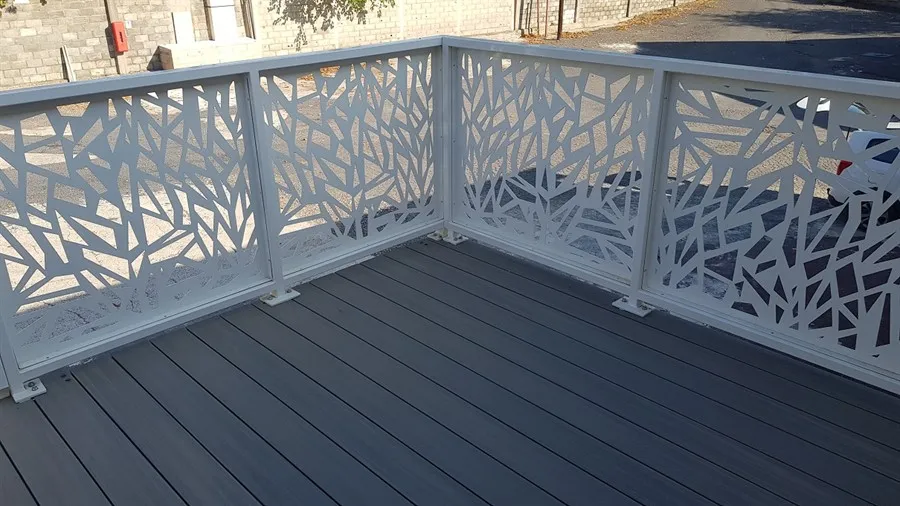
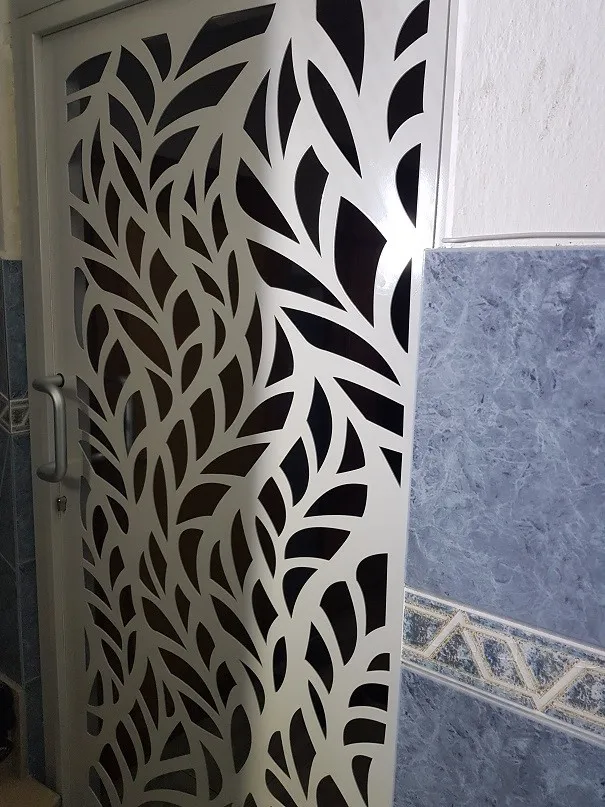
Laser cutting uses a computer-controlled laser to cut patterns into metal sheet to precise dimensions. Leaf, branch, geometric or custom designs can be cut in a single piece. The resulting panel is used as a gate leaf, fence module, balcony railing or facade element. The play of shadows at different angles through the day is one of its most popular features.
What to look at when choosing a pattern
- Open-area ratio: the share of openings in the surface sets privacy and light. Dense patterns feel more private; sparse ones feel airier.
- Pattern scale: large patterns look proportionate on big gates, finer ones on small panels and pedestrian gates.
- Strength: very thin bridges (the metal left between pattern openings) can create weak spots; thickness and pattern must be designed together.
- Facade harmony: keep lines consistent with the fence, garden wall and house facade.
- Cleaning: deep, intricate patterns can collect dust; consider ease of cleaning.
Material and sheet thickness
- Aluminium: light and rust-free; very suitable for motorised sliding gates and balcony railings.
- Steel: offers higher strength; protect with galvanising and powder coat.
- Stainless steel: clean and easy to maintain; 316 is preferred for installations near the sea.
Sheet thickness depends on panel size, supporting frame and wind load. For large panels the frame and intermediate supports must be part of the design.
Paint and surface coating
After cutting, burrs on the edges are removed, surfaces are cleaned and electrostatic powder coat is applied. Coating the cut edges too is important for durability, especially in humid, salty environments. Dark colours heat up in the sun; choosing light and anthracite tones that match the facade is a good approach.
Where are they used?
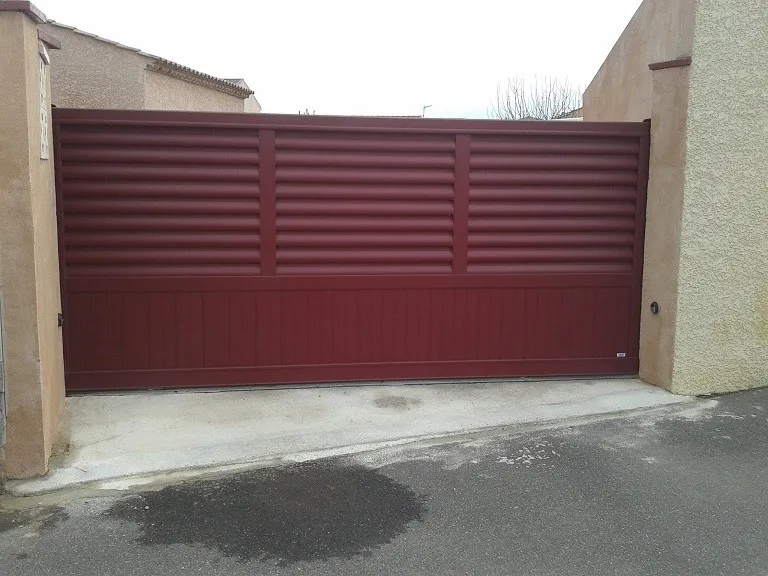
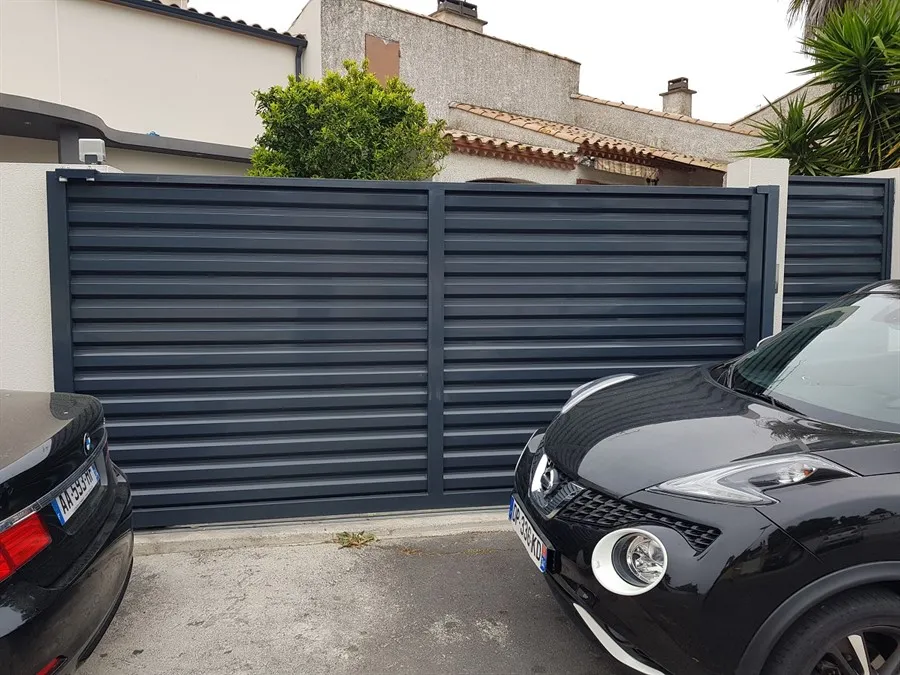
- Garden and garage gates (sliding or swing) and pedestrian gates
- Fences and garden screens
- Balcony and terrace railings
- Facades, shades and indoor dividers
See example applications in our garage and garden gates gallery and on our railings page.
Installation and upkeep
- The panel must be fixed to the frame so that it does not vibrate.
- Wash with clean water a few times a year and clean between pattern openings with a fine brush.
- Touch up paint scratches early.
Next step
To choose the gate type, see our sliding or swing gate comparison; for the whole topic, read our guide to metal gates and railings in İzmir. You can also get in touch with your dimensions and pattern idea.
Frequently asked questions
Does a laser-cut gate protect privacy?
It depends on the open-area ratio of the pattern. Dense patterns with small openings largely limit the view; sparser patterns let through more light and sightlines. State the privacy level you want at the design stage.
Aluminium or steel for laser cutting?
Aluminium is light and rust-free, so it is often chosen near the coast in İzmir and for motorised gates. Steel offers higher strength but must be protected with galvanising and a good paint system.
Can the pattern be custom designed?
Laser cutting allows many different patterns. Custom pattern requests are assessed for feasibility and sheet size; discuss them with the manufacturer.
How are laser-cut panels painted?
After cutting and deburring, surfaces are cleaned and electrostatically powder coated. Coating the cut edges too is important for durability.
Are laser-cut panels only for gates?
No. They are also used for fences and garden screens, balcony and terrace railings, facade cladding and indoor dividers.
Tags